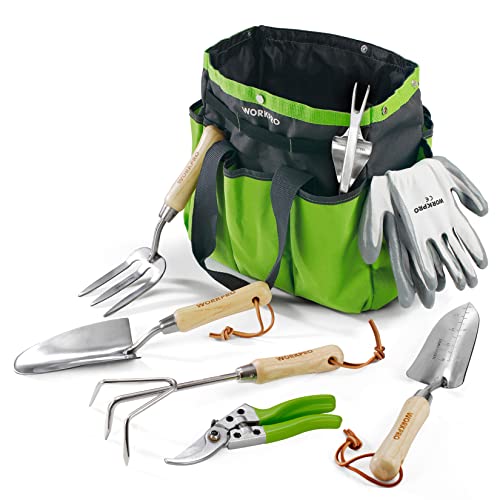
Uncover the Must Have Garden Supplies for 2026 and Beyond
As we look towards 2026, the gardening landscape is evolving rapidly. With an increasing focus on sustainability, technology, and innovative gardening techniques, it is essential to equip yourself with the right supplies to create a thriving garden. Whether you are a seasoned gardener or a novice, understanding the must have supplies for the coming years will enhance your gardening experience and promote environmental responsibility.
Eco-Friendly Tools and Equipment
In 2026, the demand for eco-friendly gardening tools will be greater than ever. Traditional gardening tools often come with a significant carbon footprint. However, new companies are emerging that focus on sustainability, offering tools made from recycled materials or sustainably sourced wood. Look for hand tools such as trowels, pruners, and hoes that are designed with ergonomic handles for comfort and efficiency. Investing in solar powered garden lights will not only save on energy costs but also reduce your impact on the environment.
Smart Gardening Technology
The integration of technology into gardening is set to soar in 2026. Smart gardening devices, such as automated watering systems and soil moisture sensors, will help gardeners manage their plants more effectively. These devices can connect to your smartphone, allowing you to monitor your garden's needs remotely. Additionally, smart garden assistants equipped with AI can provide tailored advice on plant care based on real-time data from your garden. Embracing this technology will lead to better yields and healthier plants.
People Also Look For:
- Kynup 7-Piece Gardening Set, Heavy Duty Garden Tools Set with Ergonomic Non-Slip Handles, Rust-Proof Garden Hand tools, Gardening ...
- Kynup Garden Secateurs - SK-5 Steel Gardening Shears with Ergonomic Anti-Slip Handle, Gardening, Bypass Pruning Shears for Trimmin...
- WORKPRO 8-Piece Garden Tools Set, Stainless Steel Hand Tools with Wooden Handle, Including Gloves, Trowel, Weeder, Hand fork, Hand...
- ABRFC Garden Tool Set, 11 Pieces Aluminum Heavy Duty Gardening Kit Gardening Gifts for Women & Men Garden Tool Set with Spray-Bott...
- Harbour Housewares Azada Digging Hoe with Wooden Handle - 110cm - Full Size Garden Hoe Garden Tools for Gardening, Soil Digging, W...
Sustainable Soil and Fertilisers
Healthy soil is the foundation of a successful garden. In 2026, gardeners will increasingly turn to organic and sustainable soil amendments to improve their soil quality. Products such as compost, worm castings, and biochar will be essential for enhancing soil fertility and structure. Furthermore, the use of organic fertilisers will ensure that your plants receive the nutrients they need without the adverse effects of synthetic chemicals. Look for fertiliser options that are derived from natural sources and promote beneficial microbial activity in the soil.
Water Conservation Solutions
As climate change continues to impact weather patterns, water conservation will become a priority for gardeners in 2026. Rainwater harvesting systems will be a vital addition to any garden. These systems collect and store rainwater for later use, reducing reliance on mains water and providing a sustainable source for irrigation. Additionally, drip irrigation systems will be increasingly popular, allowing for precise watering that conserves water and reduces waste. By implementing these solutions, gardeners can play a crucial role in conserving this precious resource.
Native Plants and Biodiversity
In 2026, the emphasis on planting native species will be stronger than ever. Native plants are adapted to local climates and soils, making them more resilient and easier to maintain. Planting a diverse range of native species not only supports local wildlife but also contributes to the overall health of the ecosystem. Gardeners will be encouraged to source seeds and plants from local nurseries that specialise in native species to promote biodiversity in their gardens.
Gardening Education and Community Resources
The gardening community is a valuable resource for knowledge and support. In 2026, more gardeners will seek out workshops and educational programmes to improve their skills and connect with fellow gardening enthusiasts. Local gardening clubs and online forums will provide platforms for sharing tips, advice, and experiences. Engaging with these communities will foster a sense of belonging and encourage collaboration among gardeners, resulting in richer growing experiences.
Innovative Garden Structures
As urban gardening becomes increasingly popular, innovative garden structures will emerge as essential supplies. Vertical gardens and modular planters will allow gardeners with limited space to maximise their growing areas. These structures not only save space but also add a unique aesthetic to your outdoor area. Consider incorporating raised beds made from sustainable materials to enhance accessibility and improve soil drainage while also adding a visually pleasing element to your garden.